
If you’re a caseworker, support worker, employment specialist, or anyone else helping adults take a step toward paid work, this post is for you. Here’s a plain-language overview of how the Site Squad Bootcamp LE is built for accessibility, and what your clients can expect.
Designed for inclusion from the ground up
This program was not designed for typical learners with disability accommodations bolted on. It was designed from the start for adults on social assistance, persons with intellectual or developmental disabilities, newcomers to Canada, and people who’ve been told for a long time that the trades aren’t for them. Every choice we make about pacing, materials, and assessment reflects that.
What that looks like in practice
- One instruction at a time. Coaches give one step, wait for completion, then give the next. Nothing is rushed.
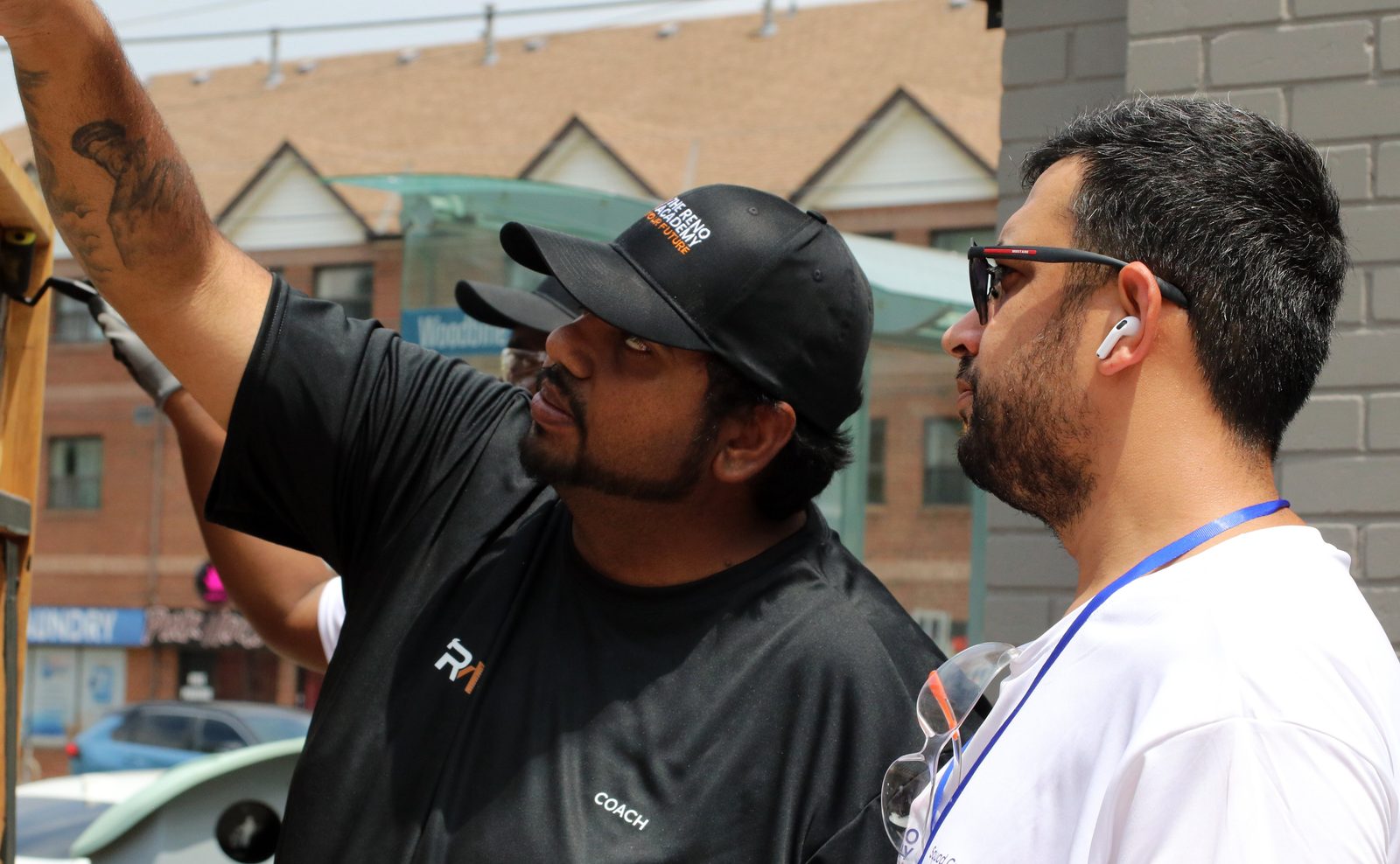
- Show, then guide, then let go. Every new task is demonstrated fully before any participant tries it. Then guided. Then independent.
- Plain-language materials. Workbooks and reference cards are written at a Grade 6 reading level with clear visual icons and large enough font to read in outdoor conditions.
- Paired practice. Hands-on tasks are done in pairs whenever possible. Working alongside a peer reduces anxiety and reinforces learning through observation.
- Built-in buffer time. The schedule allows for participants who need longer at a station. We will not move on until everyone has had their turn.
- Celebration of small wins. Coaches call out each completed step out loud. Recognition is built into the rhythm of the day.
Assessment that doesn’t gatekeep
There’s no high-pressure final exam moment. Practical assessment happens continuously over both days using a rubric the Coach completes through observation. The 15-question written quiz at the end of Day 2 can be administered verbally, one question at a time, in private, for any participant who finds written tests difficult. This is a confirmation of understanding, not a literacy test.
If a participant needs extra support
Coaches are trained to step away from the group for a quiet five-minute check-in if someone gets overwhelmed, to coordinate with a support worker if you’re available, and to recommend a certificate with instructor note for participants who demonstrate effort and partial mastery.
How to refer
Get in touch through the contact form. Let us know you’re a referring agency, tell us a bit about the participant’s situation and any access needs we should be aware of, and we’ll find the right cohort slot. We’re partners with The Career Foundation and welcome conversations with additional agencies.